This article is by guest author Clinical Nutritionist & Naturopath Sue Stevens from Handcrafted Health
When we think about ageing, we often focus on wrinkles, metabolism, or hormones, but one of the most significant changes happening quietly beneath the surface is bone loss.
Our bones are not static structures. They are living, dynamic tissue, constantly rebuilding, repairing and reshaping themselves. And during perimenopause, menopause and later life, this process can shift dramatically.
Understanding how bone health works and how to nourish it is one of the most powerful things you can do for long-term vitality.
Understanding Bone: Living Tissue, Not Lifeless Structure
Bone is made of a protein matrix (mostly collagen) that becomes hardened with minerals, primarily calcium and phosphorus. This creates strength combined with flexibility.
Inside your bones, two specialised cells are constantly at work:
- Osteoblasts – the builders. They form new bone.
- Osteoclasts – the breakdown crew. They resorb (break down) old bone.
This process is known as bone remodelling or bone turnover.
In our younger years, bone building outpaces breakdown. We reach peak bone mass in our late 20s to early 30s. After that, the balance slowly shifts.
With declining oestrogen in perimenopause, menopause and later life, osteoclast activity increases, meaning more bone is broken down than rebuilt. Over time, this can lead to reduced bone density.
Osteopenia and Osteoporosis: What’s the Difference?
Bone density is usually measured via a DEXA scan. You may have had one or you can ask your GP if this is appropriate for you.
- Osteopenia is reduced bone density, but not yet severe enough to be classified as osteoporosis.
- Osteoporosis is a more advanced stage of bone loss where bones become porous, fragile, and prone to fractures.
Often, there are no symptoms until a fracture occurs. That’s why osteoporosis is called the “silent disease” and why prevention is so important.
In Australia, over 193,000 fractures occur each year due to poor bone health, with about 23% of women and 6% of men over 50 having osteoporosis. By 2033, 7.7 million Australians over 50 are predicted to have osteoporosis or osteopenia.
So, Why does Menopause Impacts Bone So Strongly?
Oestrogen plays a protective role in bone metabolism. It helps regulate osteoclast activity and supports osteoblast function.
When oestrogen declines:
- Bone breakdown accelerates
- Calcium absorption decreases
- Inflammation may increase
- Muscle mass may decline (which further impacts bone strength)
The first 5–10 years post-menopause are when bone loss occurs most rapidly. But here’s the empowering truth: bone health is highly modifiable.
The Role of Minerals in Bone Strength
We often hear about calcium, and yes, it matters, but bone health requires a team effort. Let’s look at the key players.
Calcium: The Structural Foundation
Calcium makes up much of the mineral content of bone. About 99% of the body’s calcium is stored in bones and teeth. However, calcium does not act alone.
If dietary intake is insufficient, the body pulls calcium from bones to maintain blood levels, weakening the skeleton over time.
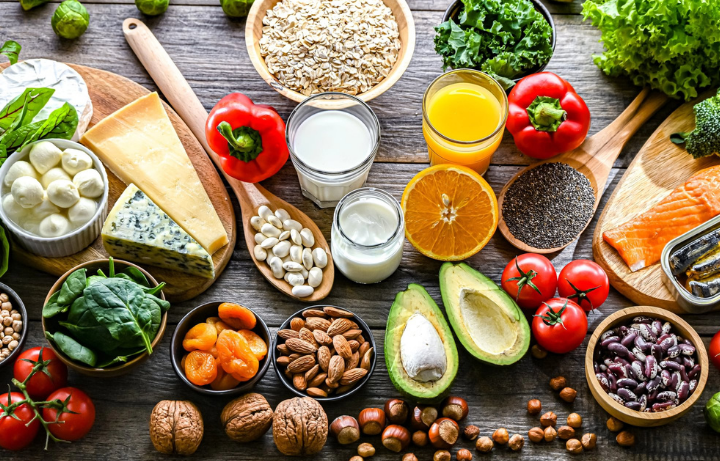
Good dietary sources include:
- Sardines and salmon with bones
- Dairy (if tolerated)
- Tahini and sesame seeds
- Almonds
- Leafy greens (kale, bok choy)
But absorption is just as important as intake, and this is where other nutrients come in.
Magnesium: The Unsung Hero
Magnesium plays several crucial roles:
- Helps convert vitamin D into its active form
- Supports calcium regulation
- Contributes to bone matrix formation
Low magnesium can impair bone strength even if calcium intake is adequate.
Magnesium-rich foods include:
- Pumpkin seeds
- Almonds
- Legumes
- Dark leafy greens
- Whole grains
Vitamin D: The Gatekeeper
Without adequate vitamin D, calcium absorption from the gut is significantly reduced.
Vitamin D also influences osteoblast and osteoclast activity.
Sources include:
- Sunlight exposure
- Fatty fish
- Egg yolks
- Supplementation (often necessary in midlife)
Many women are deficient, particularly those who avoid sun exposure.
Vitamin K (Especially K2): Directing the Calcium
Vitamin K2 activates proteins (like osteocalcin) that help bind calcium into bone tissue.
Without adequate K2, calcium may be deposited in soft tissues rather than bones.
Food sources:
- Natto (richest source)
- Hard cheeses
- Egg yolks
- Fermented foods
Zinc: Structural and Hormonal Support
Zinc contributes to:
- Collagen synthesis
- Osteoblast (bone building) activity
- Hormonal balance
Even mild deficiency can impact bone formation.
Found in:
- Oysters
- Red meat
- Pumpkin seeds
- Lentils
Boron: The Trace Mineral with Big Impact
Boron helps:
- Reduce urinary calcium loss
- Improve vitamin D utilisation
- Support oestrogen metabolism
It’s found in:
- Prunes
- Raisins
- Almonds
- Avocados
Though required in small amounts, it plays a meaningful regulatory role.
What Contributes to Bone Deterioration?
Beyond menopause, several lifestyle factors influence bone loss:
- Sedentary lifestyle
- Low protein intake
- Excess alcohol
- Smoking
- Chronic stress (elevated cortisol increases bone breakdown)
- Highly restrictive dieting
- Poor gut health (affecting nutrient absorption)
Weight loss without strength training can accelerate bone decline, something many midlife women are unaware of.
Solutions: Supporting Bone Health Naturally
The good news? Bone is living tissue. It responds to nourishment and movement at any age. Let’s look at what helps.
1. Weight-Bearing & Resistance Exercise
Bones strengthen in response to load.
Best options:
- Strength training
- Pilates
- Yoga
- Brisk walking
- Hiking
- Stair climbing
Resistance training is especially powerful because muscle contraction stimulates osteoblast activity. Aim for at least 2–3 sessions per week.
2. Adequate Protein
Protein provides the collagen matrix that minerals bind to. Aim for:
- 1.0–1.2 g per kg body weight daily in midlife
- Include protein, the size and thickness of your palm at each meal
Good sources:
- Eggs
- Fish
- Legumes and tofu
- Greek yoghurt
- Lean meats
3. Balanced Mineral Intake
A food-first approach is always the best idea. Looking to the diet to get our nutrition can be more synergistic, rather than megadosing calcium (or any supplement) alone. Focus on synergy:
- Calcium
- Magnesium
- Zinc
- Boron
- Vitamin D
- Vitamin K2
If supplementation is needed, it should be personalised, particularly if you have osteopenia or osteoporosis. As with most things in life, we need balance, and it is the same with supplementation. So, too much of a good thing may not necessarily be the best for your health.
4. Sunlight & Vitamin D Optimisation
Regular, safe sun exposure supports vitamin D production. Testing vitamin D levels can guide appropriate supplementation, again if needed.
5. Reduce Inflammation & Support Hormonal Balance
Anti-inflammatory diet patterns, diets rich in vegetables, omega-3 fats (like fish and walnuts), and phytoestrogens (like flaxseeds and legumes), may support bone indirectly by lowering systemic inflammation. Phytoestrogen-rich foods may offer mild protective effects during menopause.
6. Minimise Bone-Depleting Habits
- Limit alcohol
- Avoid smoking
- Moderate caffeine intake (1 to 2 caffeine drinks /shots a day)
- Avoid chronic crash dieting
A Whole-Person Perspective
Bone health is not just about avoiding fractures.
It’s about:
- Maintaining independence
- Staying strong and mobile
- Preserving posture and confidence
- Supporting longevity
Menopause is not the beginning of an inevitable decline. It is a signal to shift how we nourish and care for ourselves.
With the right combination of movement, mineral balance, protein, and hormonal support, bone loss can be slowed, and in some cases stabilised.
Final Thoughts
If you’ve been diagnosed with osteopenia or osteoporosis, please know this: It is not too late.
Bone responds to targeted lifestyle and nutritional strategies.
Your bones are living tissue. They are listening to how you nourish and move your body every day. And with the right support, they can remain strong for decades to come.
A personalised plan, based on your diet, digestion, hormones, exercise habits, and medical history, makes all the difference.
Free 15-Minute Bone Health Discovery Call
Sue is offering Vintage Fitness members a complimentary 15-minute discovery call to discuss your bone health, nutrition and next steps.
If you’d like tailored guidance, you can book directly with Sue here.
And if you’re ready to strengthen your bones through movement, we’d love to see you in class.
Book a Vintage Fitness class and give your bones the load they need to stay strong.
Because ageing well isn’t just about adding years to life — it’s about adding strength, confidence and connection to those years.